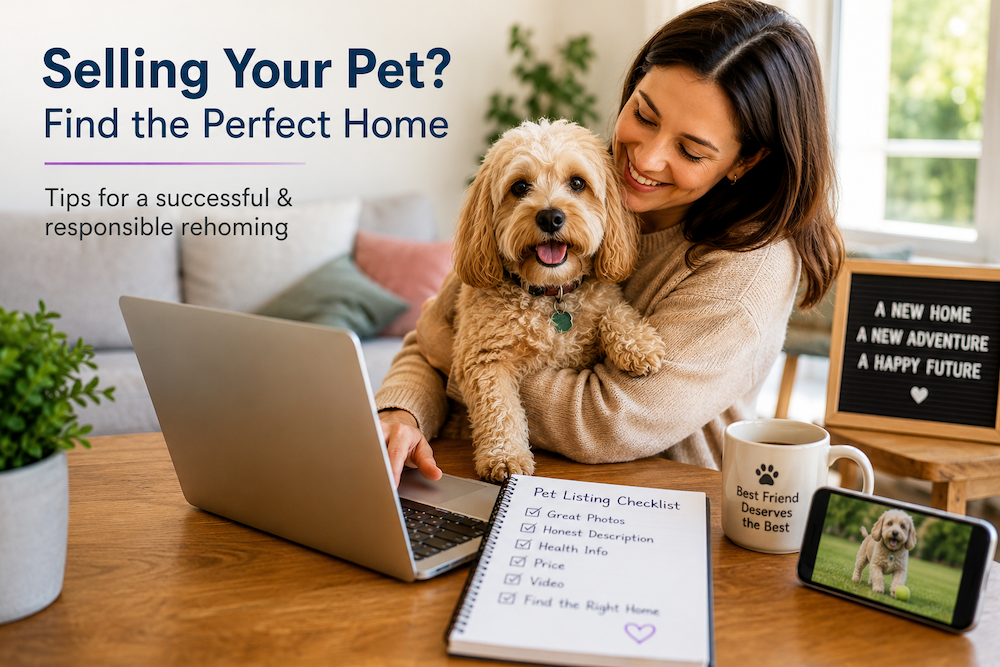
If you’ve made the difficult decision to sell or responsibly rehome your pet, you naturally want to find someone who will love and care for them as much as you do. Creating a great pet listing isn’t about making a quick sale—it’s about finding the right home.
A well-prepared listing with honest information, quality photos and clear communication will attract genuine enquiries and help your pet find a loving, permanent family.
How to Sell a Pet Online
Whether you’re selling a puppy, kitten, dog, cat or another companion animal, these ten expert tips will help you create a listing that stands out while giving your pet the very best chance of a happy future.
How Do You Sell a Pet Online Responsibly?
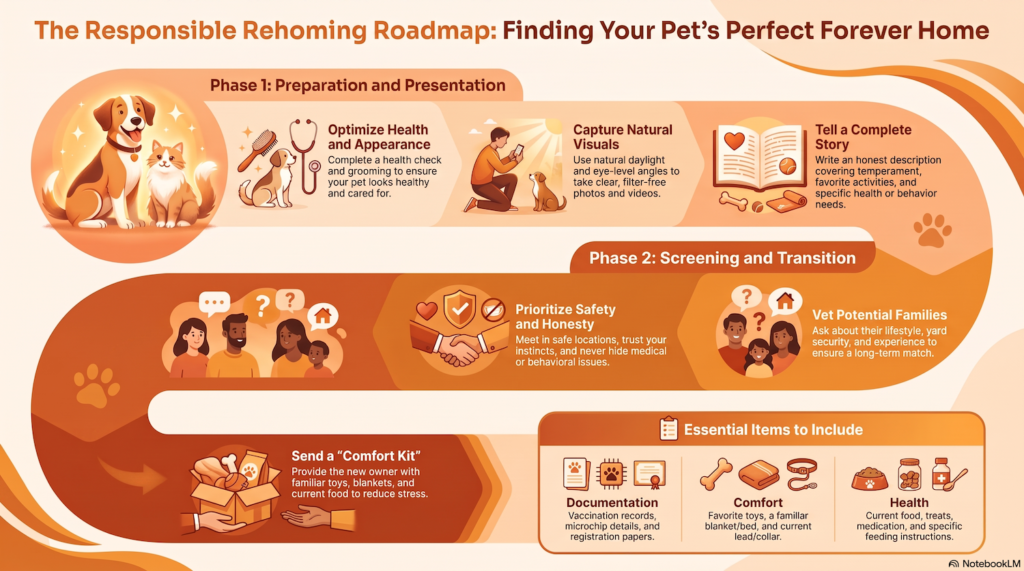
Responsible pet rehoming starts long before you publish your listing. Preparing your pet and gathering the right information will make the process smoother for both you and potential new owners.
Start by ensuring your pet is healthy, well-groomed and up to date with vaccinations, worming and flea treatments where appropriate. Collect important paperwork, including vaccination records, microchip information, registration documents and pedigree papers if applicable.
Above all, remember that your goal isn’t simply to find a buyer—it’s to find the right family.
1. Prepare Your Pet Before Listing
First impressions matter.
Give your pet a thorough groom, trim their nails if needed and make sure they look healthy and happy. Buyers naturally feel more confident when they see a pet that has clearly been loved and well cared for.
If your pet has recently visited the vet for a health check, mention this in your listing as it helps build trust.
2. Take High-Quality Photos
Photos are often the deciding factor in whether someone clicks on your advert.
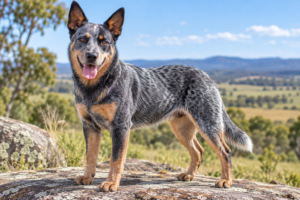
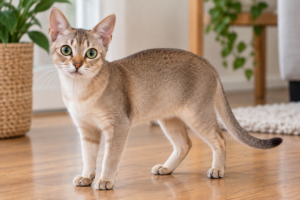
Use natural daylight and photograph your pet outdoors or in a bright room with a clean background. Get down to your pet’s eye level and capture natural expressions.
Include a variety of photos such as:
- Standing naturally
- Sitting and looking at the camera
- Playing
- Relaxing
- Close-up portrait
- Walking outdoors
Avoid blurry photos, dark rooms and distracting backgrounds.
3. Write an Honest, Detailed Description
Instead of simply listing your pet’s age and breed, tell their story.
Describe their personality, favourite activities, energy level, training, temperament and daily routine. Mention how they interact with children or other pets and what type of home would suit them best.
Honesty builds trust, and trust attracts better enquiries.
4. Include Health and Care Information
Serious buyers appreciate complete information.
Include details such as:
- Age
- Breed
- Sex
- Vaccination status
- Microchip details (where legally required)
- Desexing status
- Current diet
- Medical history
- Medications if applicable
Providing this information upfront answers many common questions before they’re even asked.
5. Add a Short Video
A 30 to 60-second video brings your pet’s personality to life.
Show them walking, playing, responding to simple commands or simply relaxing with the family. Buyers love seeing natural behaviour because it helps them imagine welcoming your pet into their own home.
6. Price Your Pet Fairly
Choosing the right price is important.
If the price is unrealistically high, many potential buyers won’t enquire. If it’s unusually low, some people may become suspicious.
Research similar pets in your local area and consider your pet’s age, health, pedigree, training and temperament when deciding on a fair price.
7. Respond Quickly to Genuine Enquiries
Many excellent homes are missed simply because sellers take too long to reply.
Respond promptly, answer questions honestly and provide additional photos or videos if requested. Friendly communication builds confidence and often leads to better outcomes for everyone involved.
8. Send Familiar Items With Your Pet
Moving to a new home can be stressful, but familiar belongings make the transition much easier.
Whenever possible, send your pet with:
- Vaccination records
- Microchip documentation
- Registration or pedigree papers
- Favourite toy
- Bed or blanket
- Food for the first few days
- Food and water bowls
- Lead, collar or harness
- Crate if used
- Grooming equipment
- Any medication
- Feeding and routine notes
These familiar items provide comfort while helping your pet settle into their new home.
9. Choose the Right New Owner
Finding the right home is far more important than finding the first person who enquires.
Ask questions about their experience with pets, home environment, work schedule and lifestyle. If appropriate, ask whether they’ve owned the breed before, whether they have other pets and how much time your pet will spend alone.
Take your time. The best match is worth waiting for.
10. Stay Safe and Watch for Scams
Unfortunately, online scams can happen in almost any marketplace.
Be cautious if someone offers to pay without seeing the pet, requests unusual payment methods or pressures you into rushing the process.
Meet prospective owners in a safe location where appropriate, trust your instincts and never feel obligated to continue with a sale if something doesn’t seem right.
Protecting both yourself and your pet should always be the priority.
Final Thoughts
Selling or responsibly rehoming a pet is never just a transaction—it’s one of the most important decisions you’ll make as a pet owner.
By preparing your pet, creating an honest listing, using excellent photos and videos, communicating openly and carefully choosing the right new family, you’ll give your companion the best possible chance of a happy, loving future.
Every pet deserves a home where they are safe, valued and loved.
If you’re ready to begin, create a detailed, honest listing on your local PetSales website and take the first step towards finding the perfect new family for your pet.