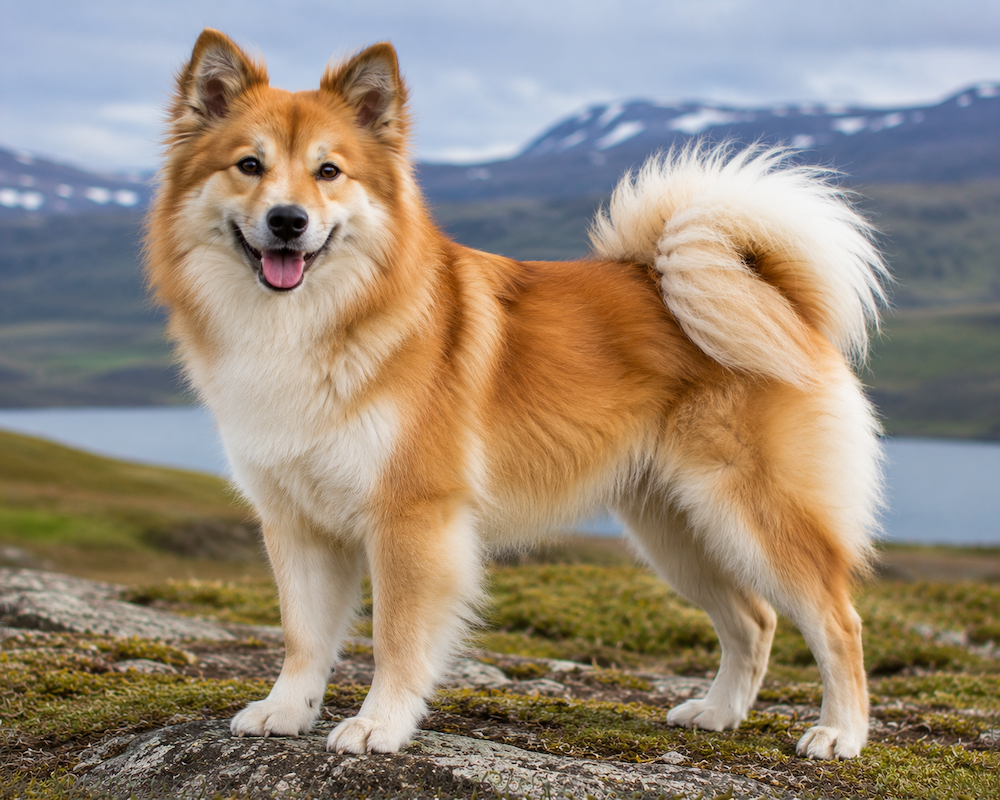







Friendly, energetic, and always smiling — the Icelandic Sheepdog is Iceland's only native dog breed, loved for its cheerful personality, intelligence, and unwavering loyalty.
🧠 QUICK SNAPSHOT
- Temperament: Friendly, intelligent, playful
- Energy Level: High
- Size: Medium
- Good With Families: Yes
- Trainability: High
- Grooming: Moderate
- Best For: Active families, first-time owners, rural or suburban homes
📚 OVERVIEW
The Icelandic Sheepdog is Iceland’s only native dog breed and has been a trusted companion to farmers for more than a thousand years. Originally brought to Iceland by Viking settlers, this energetic herding dog was developed to gather sheep, protect livestock, and work tirelessly across rugged volcanic landscapes. Its cheerful personality and natural enthusiasm have made it a beloved family companion as well as an outstanding working dog.
Known for its fox-like appearance, curled tail, and ever-present smile, the Icelandic Sheepdog is affectionate, outgoing, and eager to be involved in family life. It thrives on companionship and enjoys having a purpose, whether that’s herding livestock, competing in dog sports, or simply joining its owners on daily adventures. Intelligent and adaptable, the breed fits well into active homes where it receives plenty of exercise, training, and attention.
✅ PROS & CONS
Pros
- Friendly and affectionate nature
- Excellent family companion
- Intelligent and eager to learn
- Good with children and other pets
- Adaptable and generally healthy
Cons
- Heavy seasonal shedding
- Needs plenty of daily exercise
- Can be vocal due to herding instincts
- Doesn’t enjoy being left alone for long periods
- Requires regular grooming
Is an Icelandic Sheepdog a Good Family Dog?
Yes, the Icelandic Sheepdog is an outstanding family dog and is often considered one of the friendliest herding breeds. It thrives on companionship and enjoys spending time with people of all ages, making it an excellent choice for families with children. Its playful, gentle temperament means it is usually patient and tolerant, especially when children are taught how to interact respectfully with dogs.
The breed generally gets along well with other dogs and can also live happily with cats and other household pets when introduced appropriately. Because it was bred to work closely with both people and livestock, the Icelandic Sheepdog naturally enjoys being part of family activities and dislikes being isolated for long periods.
Its alert nature makes it an excellent watchdog, although it is typically welcoming rather than aggressive toward visitors. Families who can provide companionship, regular exercise, and plenty of interaction will find the Icelandic Sheepdog to be a loyal, affectionate, and entertaining companion.
How Much Exercise Does an Icelandic Sheepdog Need?
The Icelandic Sheepdog requires 60 to 90 minutes of exercise each day to stay healthy and happy. As an active herding breed, it enjoys both physical activity and mental challenges that allow it to use its intelligence and natural instincts.
Daily walks, hiking, fetch, agility, obedience, and herding activities are all excellent ways to meet its exercise needs. The breed particularly enjoys games that involve learning and problem-solving, making interactive play sessions especially rewarding.
Mental stimulation should be a regular part of its routine. Puzzle toys, trick training, scent games, and learning new commands help prevent boredom and reduce unwanted behaviours such as excessive barking. When given enough exercise and enrichment, the Icelandic Sheepdog is calm and relaxed at home while remaining enthusiastic and energetic outdoors.
Is an Icelandic Sheepdog Easy to Train?
Yes, the Icelandic Sheepdog is one of the easier herding breeds to train thanks to its intelligence, eagerness to please, and cooperative nature. It enjoys learning new skills and responds enthusiastically to owners who make training enjoyable and rewarding.
Positive reinforcement using praise, treats, and play is highly effective. Short, varied training sessions help maintain motivation, while harsh corrections should be avoided as they can reduce the breed’s confidence. Because Icelandic Sheepdogs naturally enjoy working with people, they often excel in obedience, agility, rally, and other canine sports.
Early socialisation remains important, even for this naturally friendly breed. Introducing puppies to different people, animals, environments, and experiences helps build confidence and encourages excellent manners throughout adulthood. With regular training and positive guidance, the Icelandic Sheepdog develops into a polite, responsive, and highly dependable companion.
Does an Icelandic Sheepdog Shed?
Yes, the Icelandic Sheepdog sheds moderately throughout the year and heavily during seasonal coat changes. Its thick double coat protects it from Iceland’s harsh climate, making regular grooming essential to keep it healthy and minimise loose hair around the home.
Weekly brushing is generally sufficient during most of the year, while brushing several times each week during spring and autumn helps remove the dense undercoat. Grooming also distributes natural oils and keeps the coat looking clean and healthy.
The breed is naturally quite clean and only requires occasional bathing unless it becomes particularly dirty. However, the Icelandic Sheepdog is not considered hypoallergenic, so it is generally unsuitable for people with dog allergies. Regular nail trimming, ear cleaning, and dental care complete its overall grooming routine.
What Health Problems Are Common in an Icelandic Sheepdog?
The Icelandic Sheepdog is generally a healthy and long-lived breed, but like all dogs, it can be affected by certain inherited health conditions. Hip dysplasia is one of the more common concerns, although responsible breeding programmes have helped reduce its prevalence.
Some Icelandic Sheepdogs may also develop eye conditions such as cataracts or progressive retinal atrophy (PRA), making regular eye examinations and responsible breeder health testing particularly valuable. Patellar luxation and other joint issues can occasionally occur but are relatively uncommon.
Maintaining a healthy weight, providing a balanced diet, scheduling regular veterinary check-ups, and ensuring plenty of exercise all contribute to a long and active life. Purchasing a puppy from health-tested parents gives owners the best chance of enjoying a healthy companion that often lives between 12 and 15 years.