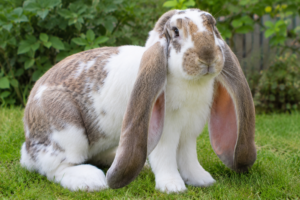
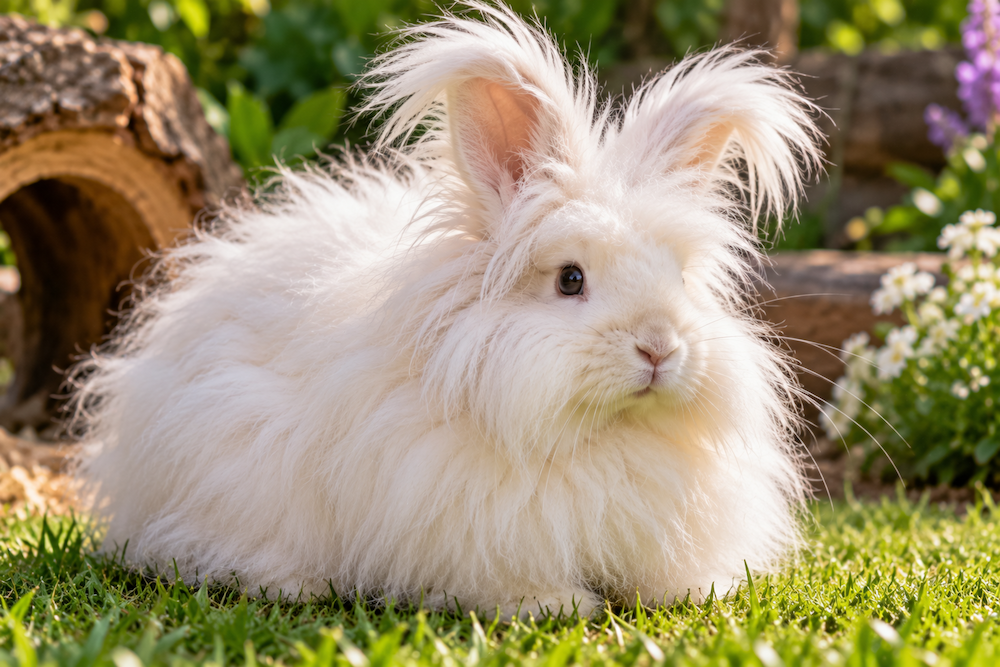







Famous for its extraordinary cloud-like wool, the Angora Rabbit is a beautiful, gentle and fascinating companion that combines an adorable appearance with surprisingly demanding grooming needs.
🧠 QUICK SNAPSHOT
Trait | Angora Rabbit |
|---|---|
Scientific Name | Oryctolagus cuniculus domesticus |
Other Names | English Angora, French Angora, Satin Angora, Giant Angora |
Pet Type | Domestic Rabbit / Small Mammal |
Natural Origin | Domestic breed traditionally associated with Ankara, Turkey |
Typical Lifespan | Around 7–12 years |
Adult Size | Approximately 30–50 cm, depending on variety |
Adult Weight | Approximately 2–5.5 kg or more, depending on variety |
Coat Type | Exceptionally long, dense, soft wool |
Coat Colours | White, black, blue, chocolate, grey, fawn and patterned varieties |
Diet | Herbivore |
Activity | Primarily crepuscular |
Temperament | Gentle, curious, social and sometimes shy |
Noise Level | Very quiet |
Social Needs | High; compatible rabbit companionship preferred |
Grooming | Very high; frequent grooming and regular coat harvesting |
Housing | Spacious, secure enclosure with daily exercise |
Exercise Needs | Moderate to high |
Beginner Friendly? | Generally not recommended |
Famous Feature | Exceptionally soft wool that can be spun into luxury yarn |
📚 OVERVIEW
The Angora Rabbit is one of the world’s most distinctive domestic rabbit varieties, instantly recognisable by its exceptionally long, soft and fluffy wool. Traditionally associated with Ankara, formerly known as Angora, in Turkey, these remarkable rabbits have been bred for their luxurious fibre for centuries.
Several Angora varieties exist, including the English Angora, French Angora, Satin Angora and Giant Angora. Each has distinctive characteristics, particularly in body size, wool texture and the amount of facial and ear furnishings.
Despite their spectacular appearance, Angora Rabbits share the natural behaviours of other domestic rabbits. They enjoy exploring, digging, foraging, interacting with compatible companions and resting in secure environments.
Their care requires exceptional grooming commitment, a high-fibre diet, spacious housing, appropriate companionship and careful temperature management. Their dense coats make them particularly vulnerable to matting, overheating and health complications if their wool is not maintained correctly.
✅ PROS & CONS
👍 Pros
Extraordinary soft, fluffy appearance
Generally gentle personalities
Intelligent and curious companions
Can form trusting relationships with caregivers
Beautiful variety of colours
Enjoy exploring and interactive enrichment
Wool can be collected and spun into yarn
Relatively quiet household pets
👎 Cons
Extremely demanding grooming requirements
Wool can mat quickly without proper care
Vulnerable to overheating
Require regular clipping or wool harvesting
Greater risk of grooming-related digestive problems
Need spacious housing and daily exercise
Veterinary care can be expensive
Not suitable for low-maintenance pet owners
Are Angora Rabbits Good Pets?
Yes. Angora Rabbits can make wonderful companions for dedicated rabbit owners.
They’re often gentle, curious and capable of developing trusting relationships with familiar people.
However, their demanding wool maintenance makes them significantly more challenging than many short-haired rabbit varieties.
Are Angora Rabbits Good for Beginners?
Generally, no.
Angora Rabbits require specialised grooming, careful coat management and an understanding of rabbit health.
Beginners may find their wool maintenance overwhelming, particularly when dealing with matting or seasonal coat changes.
How Long Do Angora Rabbits Live?
Angora Rabbits typically live around 7–12 years.
Some individuals may live longer with excellent care.
Lifespan depends on genetics, nutrition, grooming, housing and access to appropriate veterinary treatment.
How Big Do Angora Rabbits Get?
Size varies considerably between Angora varieties.
English Angoras are relatively compact, while Giant Angoras are substantially larger.
Adult weights commonly range from approximately 2 kg to more than 5.5 kg, depending on the variety.
What Are the Different Types of Angora Rabbits?
The four widely recognised Angora varieties in American rabbit breed standards are:
English Angora — compact with extensive facial and ear furnishings
French Angora — typically has a cleaner face and ears
Satin Angora — famous for its lustrous, silky-looking wool
Giant Angora — large-bodied with exceptionally heavy wool production
Other Angora varieties and breeding traditions exist internationally.
Are Angora Rabbits Friendly?
Many Angora Rabbits have gentle, sociable personalities.
However, temperament varies between individuals and breeding lines.
Early socialisation, calm handling and positive experiences help build trust.
Do Angora Rabbits Like Being Held?
Most rabbits prefer keeping their feet on a secure surface.
Some Angoras tolerate gentle handling, particularly when accustomed to it from a young age.
However, unnecessary lifting can cause stress, and their bodies must always be fully supported.
Do Angora Rabbits Bond With Their Owners?
Yes.
Angora Rabbits can develop trusting relationships with familiar caregivers.
They may approach for attention, follow people around or relax nearby.
Consistent routines and positive interactions help strengthen these relationships.
Are Angora Rabbits Intelligent?
Yes.
Angora Rabbits share the learning abilities of other domestic rabbits.
They can recognise routines, learn to use litter trays and respond to reward-based training.
Puzzle feeders and enrichment activities help keep them mentally stimulated.
Can Angora Rabbits Be Litter Trained?
Yes.
Many Angora Rabbits can learn to use a litter tray.
Providing a spacious tray with suitable litter and nearby hay encourages natural toileting behaviour.
Desexing often helps improve litter habits.
Do Angora Rabbits Need Companions?
Yes.
Rabbits are highly social animals and generally benefit from living with a compatible rabbit companion.
A carefully bonded, desexed pair is often ideal.
Human interaction cannot fully replace normal rabbit social behaviour.
Can Two Angora Rabbits Live Together?
Yes.
Compatible Angora Rabbits can live together successfully.
However, introductions should be gradual and carefully supervised.
Both rabbits must have sufficient space, separate resources and appropriate grooming care.
What Size Enclosure Does an Angora Rabbit Need?
Angora Rabbits need spacious accommodation that allows running, hopping, stretching and standing upright.
A permanent living area of approximately 3 × 2 metres with adequate height is a useful welfare target for a compatible pair, with larger spaces preferred.
Small hutches alone are unsuitable for their daily needs.
Can Angora Rabbits Live Indoors?
Yes.
Angora Rabbits can make excellent indoor companions when provided with sufficient space.
Indoor housing can help protect them from extreme temperatures, predators and unsuitable weather.
Electrical cables, toxic plants and household hazards must be secured.
Can Angora Rabbits Live Outside?
Yes, in suitable climates with carefully designed accommodation.
However, their dense wool makes them particularly vulnerable to heat stress.
Outdoor housing must provide excellent ventilation, shade, weather protection and secure fencing.
Do Angora Rabbits Get Too Hot?
Yes.
Their exceptionally dense coats can make them vulnerable to overheating, particularly during warm weather.
Temperatures above approximately 25°C may increase heat-stress concerns, especially in poorly ventilated environments.
Cool housing, appropriate coat maintenance and close monitoring are essential.
How Often Should You Groom an Angora Rabbit?
Most Angora Rabbits require grooming several times weekly, and some need daily attention.
The frequency depends on wool type, coat length and individual condition.
Areas around the belly, legs and hindquarters need particular attention because matting can develop quickly.
Do Angora Rabbits Need Haircuts?
Yes.
Angora wool requires regular harvesting or clipping to prevent excessive growth and matting.
The schedule varies by variety, with many requiring coat removal approximately every three to four months.
Some wool types naturally shed, while others require regular shearing.
Can You Shave an Angora Rabbit?
Angora Rabbits can be professionally clipped when necessary.
However, their delicate skin is easily injured, making careless shaving dangerous.
Owners should seek guidance from an experienced rabbit groomer or veterinarian before attempting extensive coat removal.
Does Angora Rabbit Wool Grow Back?
Yes.
Angora wool continues growing and returns after appropriate clipping or harvesting.
The growth rate varies by variety, genetics and overall health.
Regular coat maintenance is necessary throughout the rabbit’s life.
What Is Angora Rabbit Wool Used For?
Angora wool is prized for its exceptional softness, warmth and lightweight texture.
It can be spun into yarn and used in scarves, jumpers, hats and other textiles.
Wool collection should always prioritise rabbit welfare, avoiding painful pulling or stressful handling.
What Do Angora Rabbits Eat?
Angora Rabbits require a high-fibre herbivorous diet.
Unlimited good-quality grass hay should form the foundation of their nutrition, supplemented with suitable leafy greens and measured rabbit pellets.
Fresh drinking water must always be available.
Can Angora Rabbits Eat Carrots?
Yes, but only in small amounts.
Carrots contain relatively high levels of sugar and should be considered occasional treats.
Hay and appropriate leafy greens are much more important for everyday nutrition.
What Is Wool Block in Angora Rabbits?
The term wool block is commonly used to describe suspected digestive problems involving swallowed wool.
However, rabbits normally ingest some fur during grooming, and gastrointestinal stasis often involves several underlying factors rather than a simple physical blockage.
Reduced appetite or droppings is a veterinary emergency requiring prompt attention.
Do Angora Rabbits Shed?
Yes, although shedding patterns vary between Angora varieties.
Some naturally release mature wool, while others retain more of their coat until clipped.
Regular grooming helps remove loose fibres and prevent matting.
What Health Problems Are Common in Angora Rabbits?
Potential concerns include gastrointestinal stasis, dental disease, skin irritation, flystrike, overheating and wool matting.
Their dense coats can conceal injuries, parasites and skin problems.
Regular veterinary examinations and careful daily observation are important.
Are Angora Rabbits Legal to Keep as Pets?
Angora Rabbits are legal pets in many countries.
However, local regulations may restrict rabbit ownership or require specific housing and welfare standards.
In Australia, domestic rabbits are prohibited as pets in Queensland without specific authorisation, while other states have different requirements.
What Makes the Angora Rabbit Unique?
Imagine a rabbit that looks like a giant ball of cotton wool, produces one of the world’s most luxurious natural fibres and has a history stretching back centuries.
That’s the extraordinary Angora Rabbit.
These remarkable animals possess one of the most distinctive coats in the entire rabbit world.
Unlike ordinary short-haired rabbits, Angoras produce exceptionally long, fine wool that can be spun into soft, lightweight yarn.
Their wool is renowned for its insulating properties, making it particularly valuable in specialised textiles.
But perhaps their most extraordinary feature is just how much their appearance can change.
A fully coated English Angora may appear almost spherical, with its eyes partially hidden beneath a cloud of soft facial furnishings.
After careful grooming and clipping, the same rabbit can look dramatically smaller.
Different Angora varieties also produce noticeably different types of wool.
Satin Angoras have particularly lustrous fibres, while Giant Angoras are known for their impressive wool production.
Their history is equally fascinating.
Angora Rabbits became popular in European breeding circles centuries ago and were prized for their remarkable coats.
Despite their extravagant appearance, they remain ordinary rabbits in many important ways.
They enjoy digging, exploring, socialising, eating hay and performing energetic leaps known as binkies.
And beneath all that magnificent wool is an intelligent, sensitive animal that needs appropriate companionship, enrichment and daily care.
The Angora Rabbit isn’t simply one of the fluffiest animals on Earth — it’s a remarkable combination of natural beauty, fascinating history and gentle companionship.