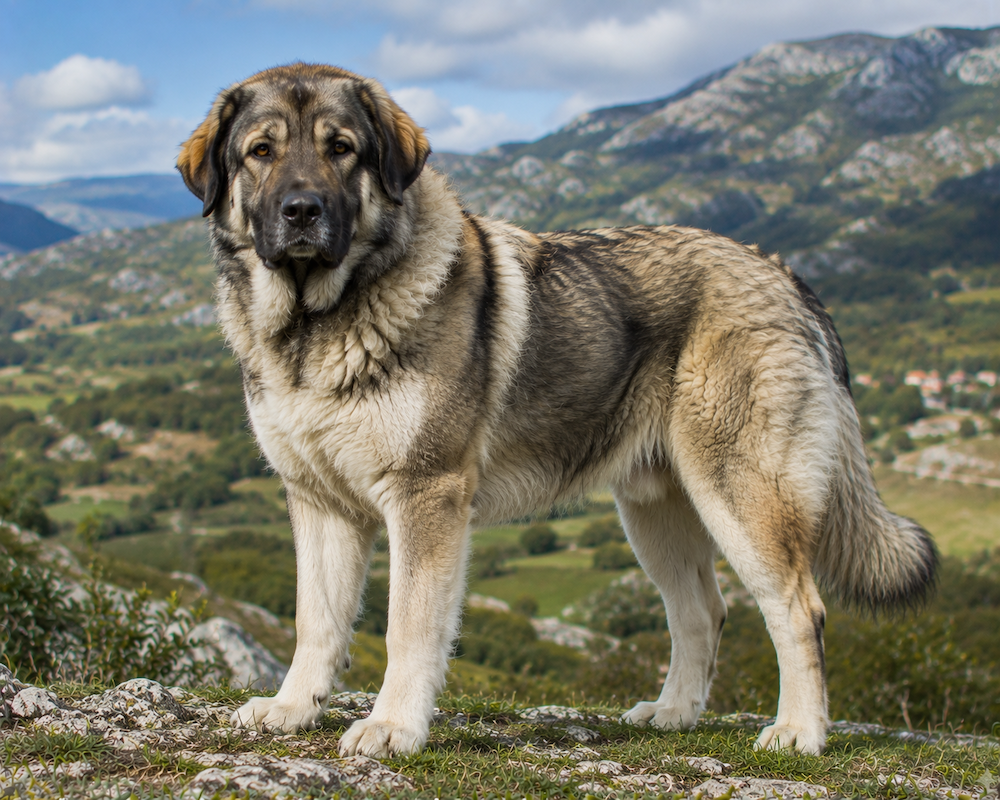







Loyal, courageous, and deeply devoted — the Estrela Mountain Dog is Portugal's ancient livestock guardian, combining calm confidence with unwavering protection of its family.
🧠 QUICK SNAPSHOT
- Temperament: Loyal, calm, protective
- Energy Level: Moderate
- Size: Large
- Good With Families: Yes (with experienced owners)
- Trainability: Moderate
- Grooming: Moderate
- Best For: Active families, rural homes, experienced dog owners
📚 OVERVIEW
The Estrela Mountain Dog is one of the oldest dog breeds in Portugal, originally developed to guard sheep and livestock in the rugged Serra da Estrela mountains. Bred to work independently in harsh conditions, this powerful guardian is known for its courage, intelligence, and unwavering loyalty.
Although naturally reserved with strangers, the Estrela Mountain Dog is affectionate and gentle with its own family. It thrives when given space, purpose, and strong leadership, making it an excellent companion for experienced owners who appreciate the instincts of a true livestock guardian. With early socialisation and consistent training, the Estrela becomes a calm, dependable protector that is equally happy watching over livestock or relaxing with its family.
✅ PROS & CONS
Pros
- Extremely loyal and devoted to family
- Excellent natural guardian
- Calm and confident temperament
- Intelligent and adaptable
- Generally hardy and healthy breed
Cons
- Not recommended for first-time owners
- Naturally wary of strangers
- Requires early socialisation
- Needs plenty of space and secure fencing
- Independent and sometimes stubborn
Is an Estrela Mountain Dog a Good Family Dog?
Yes, the Estrela Mountain Dog can be an exceptional family companion for households that understand guardian breeds. This breed forms incredibly strong bonds with its family and is naturally protective without being unnecessarily aggressive. It is typically calm, patient, and affectionate with children it knows well, often acting as a quiet but vigilant guardian around the home.
Because the Estrela Mountain Dog was bred to protect livestock independently, it is naturally cautious around unfamiliar people. Early and ongoing socialisation is essential to help the dog confidently distinguish everyday visitors from genuine threats. Proper introductions to new people, animals, and environments during puppyhood help create a balanced and confident adult.
The breed is best suited to homes with secure outdoor space where it can patrol and observe its surroundings. While it enjoys spending time with its family, it also appreciates having room to move freely. Experienced owners who provide leadership, consistency, and companionship will find the Estrela Mountain Dog to be an incredibly loyal and dependable family protector.
How Much Exercise Does an Estrela Mountain Dog Need?
An Estrela Mountain Dog requires around 60 to 90 minutes of daily exercise to stay healthy, fit, and mentally stimulated. Although not as energetic as many herding or sporting breeds, it still benefits from regular physical activity and meaningful engagement.
Daily walks, hiking, exploring secure properties, and moderate play sessions help satisfy the breed’s physical needs. Because the Estrela was bred to patrol rather than chase or retrieve, it generally prefers steady exercise over repetitive, high-intensity games.
Mental stimulation is equally important. Obedience training, scent-based activities, interactive toys, and giving the dog a sense of purpose all help prevent boredom. Without enough activity, the Estrela Mountain Dog may become stubborn, vocal, or increasingly territorial. A combination of physical exercise and mental enrichment produces a calm, confident companion that is relaxed both indoors and outdoors.
Is an Estrela Mountain Dog Easy to Train?
The Estrela Mountain Dog is intelligent but naturally independent, making training a rewarding challenge rather than a straightforward task. Unlike breeds that constantly seek approval, the Estrela was bred to make decisions on its own while guarding livestock, so it often prefers to assess situations before responding.
Positive reinforcement, consistency, and patience are the keys to successful training. Harsh corrections are rarely effective and may reduce the trust between dog and owner. Short, engaging sessions that provide variety work much better than repetitive drills.
Early socialisation is particularly important. Introducing an Estrela puppy to a wide variety of people, animals, sounds, and environments helps develop a confident, well-balanced adult. While the breed may never display the eager obedience of some working breeds, it becomes highly dependable when treated with fairness, respect, and consistent guidance.
Does an Estrela Mountain Dog Shed?
Yes, the Estrela Mountain Dog sheds moderately throughout the year and more heavily during seasonal coat changes. Both the short-haired and long-haired coat varieties have dense double coats designed to protect the dog from harsh mountain weather.
Weekly brushing is usually enough to remove loose hair and keep the coat healthy. During spring and autumn, when the undercoat is shed, brushing several times each week helps control shedding and prevents mats from forming, particularly in the longer-coated variety.
The breed’s coat naturally repels dirt, so frequent bathing is rarely necessary. Despite its luxurious appearance, grooming is relatively straightforward with regular maintenance. The Estrela Mountain Dog is not considered hypoallergenic, so it is generally unsuitable for allergy sufferers. Routine ear cleaning, nail trimming, and dental care should also form part of its regular grooming routine.
What Health Problems Are Common in an Estrela Mountain Dog?
The Estrela Mountain Dog is generally a healthy and robust breed, but like many large dogs, it can be predisposed to certain inherited conditions. Hip dysplasia and elbow dysplasia are the most common concerns and may affect mobility later in life. Choosing a puppy from health-tested parents significantly reduces these risks.
The breed may also be susceptible to gastric dilatation-volvulus (bloat), a potentially life-threatening condition that affects many deep-chested dogs. Feeding smaller meals, avoiding strenuous exercise immediately after eating, and recognising the early warning signs are important preventative measures.
Other health issues can include occasional eye disorders and joint problems associated with ageing. Maintaining a healthy body weight, providing a balanced diet, scheduling regular veterinary examinations, and sourcing puppies from responsible breeders all help maximise the chances of a long, active, and healthy life.