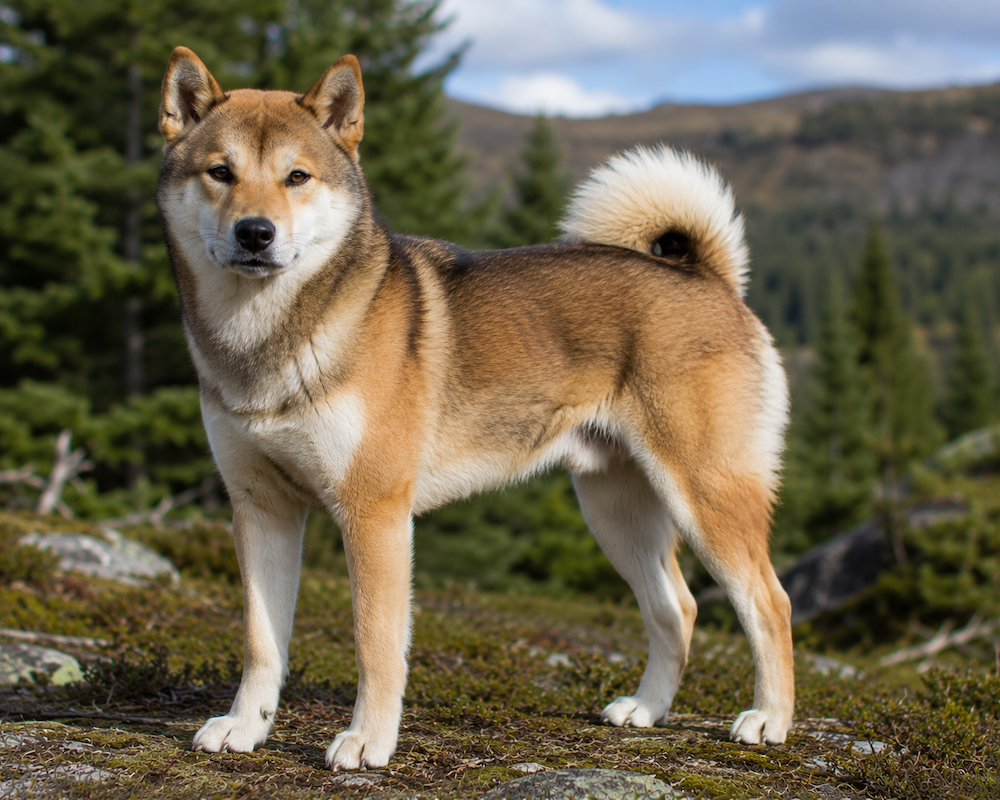







Brave, intelligent, and fiercely loyal — the Hokkaido is one of Japan's oldest native breeds, admired for its courage, endurance, and unwavering devotion to its family.
🧠 QUICK SNAPSHOT
- Temperament: Loyal, intelligent, courageous
- Energy Level: High
- Size: Medium
- Good With Families: Yes
- Trainability: High
- Grooming: Moderate
- Best For: Active families, experienced owners, outdoor lifestyles
📚 OVERVIEW
The Hokkaido, sometimes called the Ainu Dog, is one of Japan’s six native dog breeds and has been treasured for centuries for its intelligence, bravery, and remarkable endurance. Originally bred to hunt large game such as bears and deer across the rugged mountains of Hokkaido, this versatile working dog is renowned for its courage and ability to thrive in harsh climates.
Despite its fearless hunting heritage, the Hokkaido is deeply devoted to its family and forms exceptionally strong bonds with the people it trusts. Alert, adaptable, and highly intelligent, it thrives in active households where it receives regular exercise, mental stimulation, and consistent training. For owners who enjoy outdoor adventures and appreciate a loyal companion with a rich history, the Hokkaido is a rewarding and dependable breed.
✅ PROS & CONS
Pros
- Extremely loyal and devoted
- Intelligent and quick to learn
- Athletic and highly versatile
- Brave and naturally protective
- Generally healthy and hardy
Cons
- Requires plenty of daily exercise
- Strong prey drive
- Can be reserved with strangers
- Needs early socialisation
- Heavy seasonal shedding
Is a Hokkaido a Good Family Dog?
Yes, the Hokkaido can make a wonderful family dog for active households that understand its working heritage. It is known for its unwavering loyalty and often forms incredibly close bonds with its family, enjoying both outdoor adventures and relaxing alongside its owners at home.
The breed is generally affectionate with children it has been raised alongside and is naturally alert without being unnecessarily aggressive. Because Hokkaidos can be reserved around unfamiliar people, early socialisation is important to help them become confident and well-mannered adults. Introducing puppies to different environments, people, and animals helps reduce nervousness and encourages balanced behaviour.
The Hokkaido’s strong hunting instincts mean care should be taken around smaller pets unless they have grown up together. Families who enjoy hiking, camping, or spending time outdoors will find this intelligent and adventurous breed to be an enthusiastic and devoted companion.
How Much Exercise Does a Hokkaido Need?
The Hokkaido requires 60 to 90 minutes of exercise every day to remain physically fit and mentally satisfied. Bred to hunt across mountainous terrain, this breed has excellent stamina and enjoys challenging activities that allow it to use both its body and mind.
Daily walks, hiking, jogging, scent work, obedience training, and agility are all excellent ways to meet its exercise needs. Secure off-lead play in safely enclosed areas also allows the Hokkaido to burn energy while exploring its surroundings.
Mental stimulation is equally important. Puzzle toys, trick training, scent games, and learning new commands help prevent boredom and strengthen the relationship between dog and owner. Without sufficient activity, the Hokkaido may become restless or develop unwanted behaviours. An active lifestyle is essential to bringing out the very best in this energetic and intelligent breed.
Is a Hokkaido Easy to Train?
Yes, the Hokkaido is an intelligent and capable breed that generally responds well to training when approached with patience and consistency. It enjoys learning and works closely with owners it trusts, although it also possesses an independent streak inherited from its hunting background.
Positive reinforcement using praise, treats, and play is the most effective training method. Short, engaging sessions keep the Hokkaido interested and motivated, while harsh corrections should be avoided as they can damage trust and confidence.
Early socialisation is especially important for this naturally reserved breed. Exposing puppies to a variety of people, animals, environments, and experiences helps develop a confident, adaptable adult. With regular training and ongoing mental stimulation, the Hokkaido becomes an obedient, reliable companion capable of excelling in obedience, agility, and other canine sports.
Does a Hokkaido Shed?
Yes, the Hokkaido sheds moderately throughout the year and heavily during spring and autumn when it sheds its dense undercoat. Its thick double coat provides excellent insulation against cold weather but requires regular maintenance to remain healthy.
Weekly brushing is usually sufficient for most of the year, while more frequent brushing during seasonal coat changes helps remove loose hair and reduces shedding around the home. Fortunately, the coat naturally repels dirt and only requires occasional bathing.
The Hokkaido is not considered hypoallergenic, so it is unlikely to be suitable for allergy sufferers. Routine grooming should also include nail trimming, ear cleaning, and dental care to support overall health and wellbeing.
What Health Problems Are Common in a Hokkaido?
The Hokkaido is generally regarded as a healthy and robust breed with relatively few inherited health problems. Its natural development over many centuries has contributed to its reputation as a hardy and resilient dog.
Like many medium-sized breeds, the Hokkaido can occasionally develop hip dysplasia or patellar luxation, although these conditions are less common than in many larger breeds. Some individuals may also experience eye disorders or age-related joint issues later in life.
Choosing a puppy from health-tested parents is one of the best ways to reduce the likelihood of inherited conditions. Regular veterinary examinations, maintaining a healthy weight, feeding a balanced diet, and providing consistent exercise all help ensure the Hokkaido enjoys a long, active, and healthy life, with many living well into their teenage years.