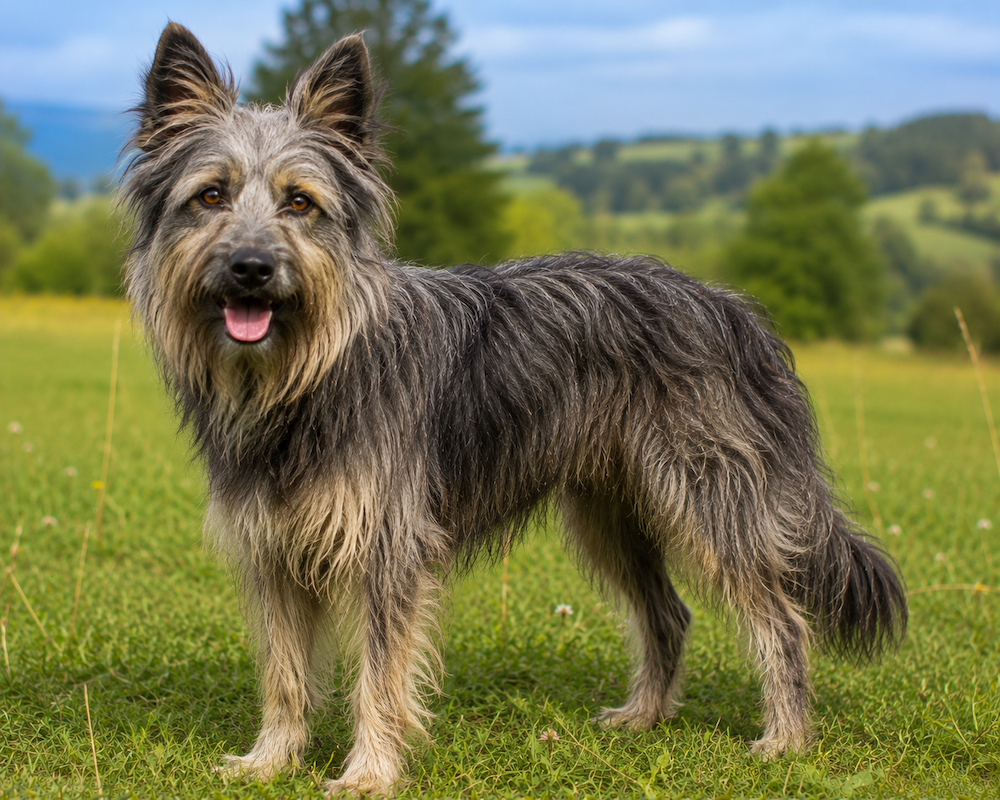







Energetic, intelligent, and bursting with personality — the Pyrenean Shepherd is a spirited French herding breed that thrives on activity, companionship, and having a job to do.
🧠 QUICK SNAPSHOT
- Temperament: Intelligent, lively, loyal
- Energy Level: Very High
- Size: Small to Medium
- Good With Families: Yes
- Trainability: Very High
- Grooming: Moderate
- Best For: Active families, dog sports, experienced owners
📚 OVERVIEW
The Pyrenean Shepherd, or Berger des Pyrénées, is one of France’s oldest herding breeds, developed to work alongside the larger Great Pyrenees Mountain Dog in the rugged Pyrenees Mountains. While the Great Pyrenees guarded livestock, the agile and energetic Pyrenean Shepherd gathered and moved sheep with incredible speed, intelligence, and endurance.
Despite its relatively small size, the Pyrenean Shepherd possesses enormous energy and a remarkable work ethic. It is exceptionally loyal to its family, quick to learn, and always eager for its next adventure. This breed thrives in active households where it receives plenty of exercise, mental stimulation, and opportunities to use its natural intelligence. Owners who enjoy hiking, agility, obedience, or other canine sports will find the Pyrenean Shepherd an enthusiastic and rewarding companion.
✅ PROS & CONS
Pros
- Extremely intelligent and highly trainable
- Loyal and devoted to family
- Excels in agility, obedience, and dog sports
- Athletic and energetic
- Generally healthy and long-lived
Cons
- Requires extensive daily exercise
- Can become bored without mental stimulation
- May be reserved with strangers
- Strong herding instincts
- Not suited to sedentary households
Is a Pyrenean Shepherd a Good Family Dog?
Yes, the Pyrenean Shepherd makes an excellent family dog for active households that can match its enthusiasm and energy. This breed forms incredibly strong bonds with its family and enjoys participating in every aspect of daily life. It is affectionate, playful, and happiest when spending time with the people it loves.
The Pyrenean Shepherd generally gets along well with respectful children and often becomes an energetic playmate. Because of its strong herding instincts, it may occasionally attempt to herd running children or other pets by circling or gently nipping at heels. Early training helps channel these natural instincts into more appropriate behaviours.
Although naturally devoted to its family, the breed can be cautious around unfamiliar people. Early socialisation is essential to build confidence and encourage polite behaviour with visitors. Families who enjoy outdoor activities and interactive games will find the Pyrenean Shepherd to be an entertaining, affectionate, and highly loyal companion.
How Much Exercise Does a Pyrenean Shepherd Need?
The Pyrenean Shepherd requires 90 to 120 minutes of exercise every day to stay physically healthy and mentally fulfilled. As a hardworking herding breed, it possesses exceptional stamina and enjoys activities that challenge both its body and mind.
Long walks, hiking, running, agility, flyball, obedience, herding trials, and interactive games are all excellent ways to satisfy its exercise requirements. This breed particularly enjoys learning new skills and working closely with its owner, making structured activities especially rewarding.
Mental stimulation is just as important as physical exercise. Puzzle toys, scent games, trick training, and advanced obedience exercises help prevent boredom and destructive behaviours. Without sufficient activity, the Pyrenean Shepherd may become restless, vocal, or develop unwanted habits. Owners who lead an active lifestyle will be rewarded with a happy, focused, and exceptionally well-balanced companion.
Is a Pyrenean Shepherd Easy to Train?
Yes, the Pyrenean Shepherd is one of the most trainable herding breeds. It is exceptionally intelligent, learns quickly, and genuinely enjoys working with its owner. Its eagerness to solve problems and willingness to learn make it a favourite in agility, obedience, rally, and many other canine sports.
Positive reinforcement using praise, treats, toys, and interactive play produces outstanding results. Short, varied training sessions help keep the breed engaged, while repetitive drills may lead to boredom. Harsh corrections should be avoided because they can undermine the dog’s confidence and enthusiasm.
Early socialisation is particularly important to help the Pyrenean Shepherd become comfortable around unfamiliar people, animals, and environments. With patient guidance and consistent training, this breed develops into a responsive, obedient companion capable of excelling in almost any activity.
Does a Pyrenean Shepherd Shed?
Yes, the Pyrenean Shepherd sheds moderately throughout the year, with heavier shedding during seasonal coat changes. The breed comes in both rough-faced and smooth-faced coat varieties, but both are relatively straightforward to maintain with regular grooming.
Weekly brushing helps remove loose hair, prevent tangles, and keep the coat healthy. During spring and autumn, brushing several times a week helps manage seasonal shedding and reduces loose hair around the home. Occasional bathing is usually sufficient, as the coat naturally resists dirt.
The Pyrenean Shepherd is not considered hypoallergenic, so it may not be suitable for people with dog allergies. Routine grooming should also include regular nail trimming, ear cleaning, and dental care to support long-term health and wellbeing.
What Health Problems Are Common in a Pyrenean Shepherd?
The Pyrenean Shepherd is generally a healthy and long-lived breed with relatively few inherited health concerns. Careful breeding has helped preserve the breed’s athleticism and overall resilience, making it one of the healthier herding breeds.
Hip dysplasia and patellar luxation can occasionally occur, although they are less common than in many other active breeds. Some Pyrenean Shepherds may also develop progressive retinal atrophy (PRA), epilepsy, or inherited eye conditions. Responsible breeders perform health testing to minimise the risk of passing these disorders to future generations.
Maintaining a healthy weight, providing regular exercise, feeding a high-quality balanced diet, and scheduling routine veterinary examinations all contribute to a long and active life. Choosing a puppy from health-tested parents gives owners the best opportunity to enjoy a healthy companion that commonly lives between 13 and 16 years.